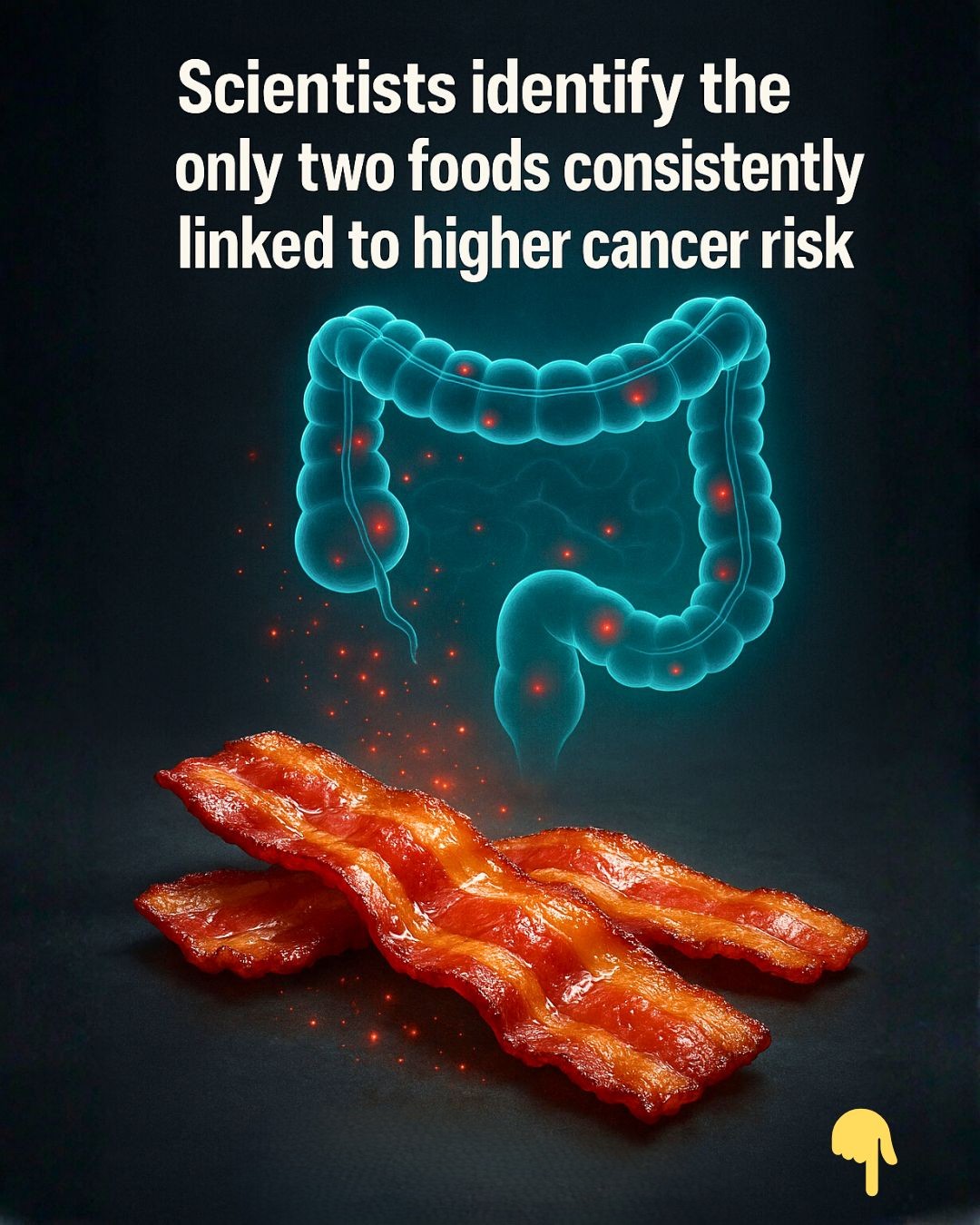
Scientists identify the only two foods consistently linked to higher can-cer risk
Let’s address the elephant in the room:
Sugar: Yes, cancer cells use glucose (a simple sugar) for energy, but so does every other cell in your body. Cutting out all sugar won’t “starve” cancer cells—they’ll just find another fuel source. What matters most is your overall diet and maintaining steady blood sugar levels. Natural sugars from whole foods like fruit are not the enemy.
Soy: Soy contains phytoestrogens, which are similar to estrogen but not identical. Consuming soy doesn’t raise your body’s estrogen levels. In fact, clinical studies show that moderate soy intake lowers your risk of breast cancer recurrence—even if your initial cancer was hormone positive.
Red Meat & Dairy: Regular, unprocessed red meat consumed in moderation does not increase cancer risk. It’s processed meat that’s the problem. Likewise, there’s no convincing evidence tying normal dairy consumption to higher cancer risk.
3. Processed Meats: The Number One Food to Avoid for Can-cer Prevention
Processed meats are meats that have been salted, cured, smoked, or otherwise altered to prolong shelf life or change flavor. Examples include:
Deli meats (ham, salami, bologna, turkey breast)
Hot dogs and sausages
Bacon
Beef jerky
Why the concern? Large population studies have found that eating just 50 grams of processed meat per day—about two slices of bacon or one deli meat sandwich—increases your cancer risk by 18%. This link is especially strong for colorectal, breast, and even lung cancer.
What’s at fault? Preservatives like nitrates and nitrites, commonly found in processed meats, can turn into compounds that damage DNA and promote cancer development once inside your body. Even “nitrate-free” processed meats may not be safer, as they often use other preservatives or natural nitrates.Processed meat alternatives
Bottom Line: Make processed meats a rare treat, not a daily habit. Enjoy bacon at a special brunch occasionally, but don’t keep deli meats stocked at home.
4. Alcohol: Not Just a Drink—A Group One Carcinogen
Verpassen Sie nicht die Fortsetzung auf der nächsten Seite