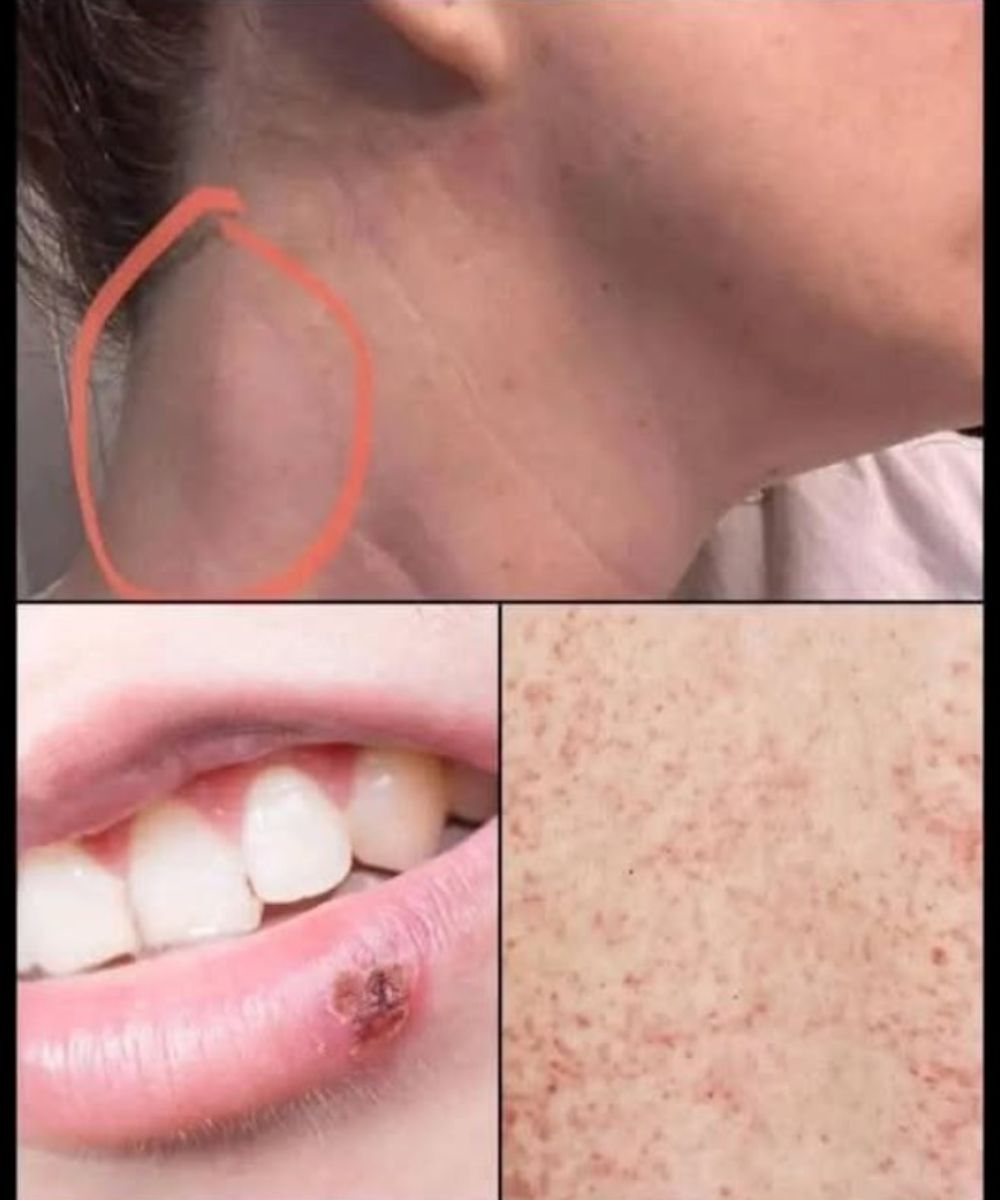
Oral cancer is a form of head and neck cancer that is often treated as such. It occurs primarily after the age of 40 and is more common in men than in women. This year, there were 77,003 new cases of oral cancer in India, and 52,067 people died from it.
Oral cancer is often only discovered after it has spread to the lymph nodes in the neck. However, early diagnosis significantly reduces the risk of death. Different types of oral cancer include cancer of the lips, tongue, inner cheeks, gums, and the lower mouth. It is recommended to see a dentist at the first signs of symptoms and, according to experts, to see a doctor at least twice a year.
Symptoms
In its early stages, oral cancer is often overlooked because it doesn’t show obvious symptoms. However, if you smoke or drink regularly, you should have your mouth checked regularly.
Common symptoms of oral cancer include a non-healing blister on the lips or inside the mouth, an enlarged or swollen mouth, bleeding, loose teeth, difficulty swallowing or pain in the mouth, a sudden lump in the throat, earache, unexplained weight loss, numbness of the lips, face, neck, or chin, red or white spots on the lips or inside the mouth, sore throat, dry mouth, stiffness or pain in the jaw, and sore tongue.
Although these symptoms are not noticeable in oral cancer, they should not be ignored, especially if multiple symptoms occur or persist despite treatment. Early diagnosis and medical advice are essential.
Causes
The main causes of oral cancer are smoking (cigarettes, cigars, pipes), tobacco use in all forms, and excessive alcohol consumption. The stages of oral cancer are as follows:
Stage 1: The tumor is less than 2.5 cm in size and has not yet spread to the lymph nodes; Stage 2: The tumor is between 2.5 and 5 cm in size and has not yet spread to the lymph nodes;
Stage 3: The tumor is larger than 5 cm or smaller but has spread to nearby lymph nodes;
Stage 4: The cancer has spread widely to surrounding tissue, lips, lymph nodes, or distant organs.
Treatment
The stage determines the treatment options and chances of recovery. Treatment options include surgery to remove the tumor and reconstruction of the affected area with pedicled or free flaps.
Radiation therapy uses technologies such as external beam radiotherapy (EBRT) and brachytherapy to target cancer cells. Chemotherapy uses cancer drugs, often in combination with radiation therapy, to eliminate cancer cells at various stages.
Targeted drug therapy directly targets cancer cells, blocks their growth, and kills them, often in combination with chemotherapy or radiation therapy.
Here are some important facts about oral cancer: 80% of cases are related to smoking. The average age at diagnosis is 50. Men are more often affected than women, and the risk increases with age.
If symptoms are detected and treated early, the survival rate is about 82%; if diagnosed late, it drops to about 27%.
In summary, any signs of oral cancer should be treated immediately. Unfortunately, many people in India neglect their oral hygiene, leading to preventable diseases. Regular dental visits and good oral hygiene are essential for prevention and early detection.