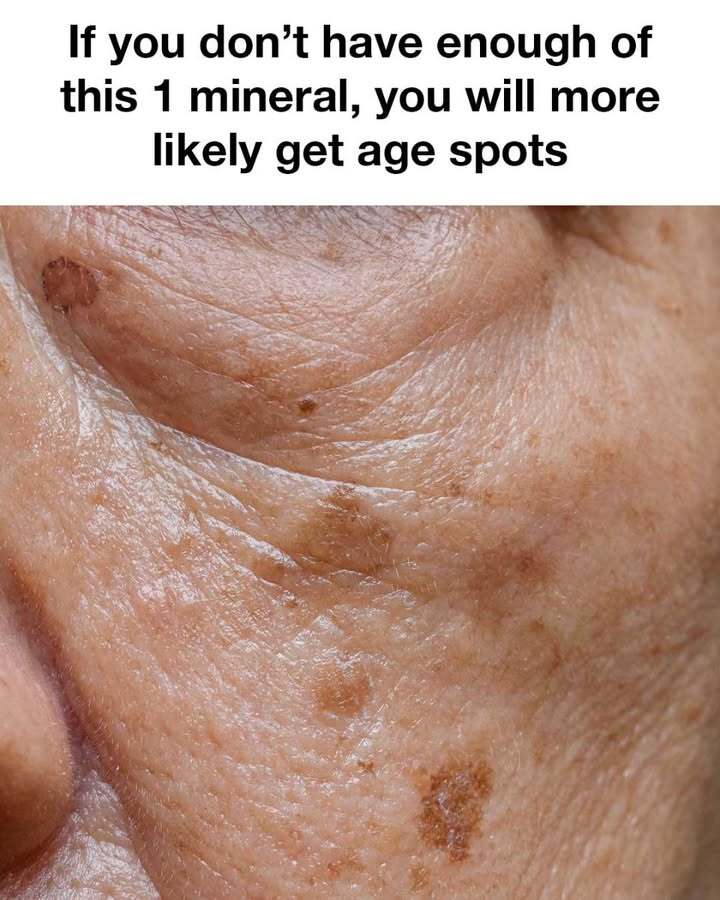
Dealing with those little dark spots on your skin that seem to pop up as you get older? You’re not alone! These are commonly known as age spots, though you might also hear them called “liver spots” or “solar lentigines.” They typically show up as flat, brown, gray, or even black marks, most often on parts of your body that get a lot of sun exposure. While they’re most frequently seen in adults over the age of 50, even younger folks can get them if they spend a lot of time soaking up the sun’s rays.
What Causes Age Spots?
The root cause of age spots is an excess production of melanin, which is the natural pigment that gives your skin, hair, and eyes their color. Think of melanin as your body’s natural sunblock. When your skin is exposed to the sun for long periods, it produces more melanin to protect itself, and sometimes this process can go a bit overboard, leading to these concentrated spots. Several factors contribute to their development, including:
- Prolonged sun exposure: This is the big one! Years of spending time in the sun without adequate protection is a primary driver.
- Aging: As we get older, our skin’s ability to repair itself and regulate melanin production changes, making us more susceptible.
- Genetic predisposition: If your parents or other family members have age spots, you might be more likely to develop them too.
The Power of Minerals for Your Skin:
Verpassen Sie nicht die Fortsetzung auf der nächsten Seite
<div><!–nextpage–></div>
It might surprise you to learn just how critical minerals are for keeping your skin looking and feeling its best. They’re not just for your bones and teeth; they’re deeply involved in countless biological processes that affect your skin’s health. These include:
- Cell regeneration: Helping your skin constantly renew itself with fresh, healthy cells.
- Protection against oxidative stress: Acting like tiny shields against damage from environmental factors.
- Maintaining structural integrity: Keeping your skin firm, supple, and resilient
Among the many essential minerals, zinc, copper, and especially selenium are particularly vital for skin health. They play a significant role in protecting your skin from damage and supporting its natural repair mechanisms, which is crucial in the fight against age spots.
Diving Deeper into Selenium’s Importance:
So, what exactly is selenium and why is everyone talking about it for skin health? Selenium is a trace mineral, meaning your body only needs it in small amounts, but those small amounts are incredibly important for many bodily functions, including keeping your skin healthy.
One of selenium’s superpowers is its role as a powerful antioxidant. Antioxidants are like the body’s little defenders; they help protect your cells from damage caused by free radicals. Free radicals are unstable molecules that can wreak havoc on your cells, leading to premature aging and noticeable skin damage. By neutralizing these free radicals, selenium helps keep your skin looking youthful and vibrant. It also lends a helping hand to your immune system and plays a part in how your thyroid hormones work.
The Not-So-Great Connection: Selenium Deficiency and Age Spots:
Here’s where it gets interesting: if you’re not getting enough selenium, it can lead to something called increased oxidative stress. Remember those free radicals we just talked about? Without enough selenium, your body has a harder time fighting them off, and this oxidative stress is a significant player in the development of age spots.
When your skin is lacking adequate selenium, it becomes much more vulnerable to damage from things like UV radiation from the sun and other environmental aggressors. This increased vulnerability can trigger the overproduction of melanin, ultimately leading to the formation of those tell-tale age spots. Making sure you have sufficient selenium intake can really help to reduce these risks and promote healthier, more resilient skin.
What Science Says About Selenium and Skin:
It’s not just theory; scientific research has backed up the benefits of selenium for skin health. Studies have consistently shown that selenium offers protective effects against UV-induced skin damage. This means it can help shield your skin from the harmful effects of the sun’s rays, which are a major cause of age spots and even contribute to the risk of skin cancer.
Furthermore, research indicates that when selenium is combined with other antioxidants, it can actually improve skin elasticity – helping your skin stay supple and less prone to wrinkles – and reduce the appearance of age spots. These findings underscore just how important selenium is for maintaining overall skin health and preventing those common age-related skin changes.
Spotting a Selenium Deficiency: What to Look For: