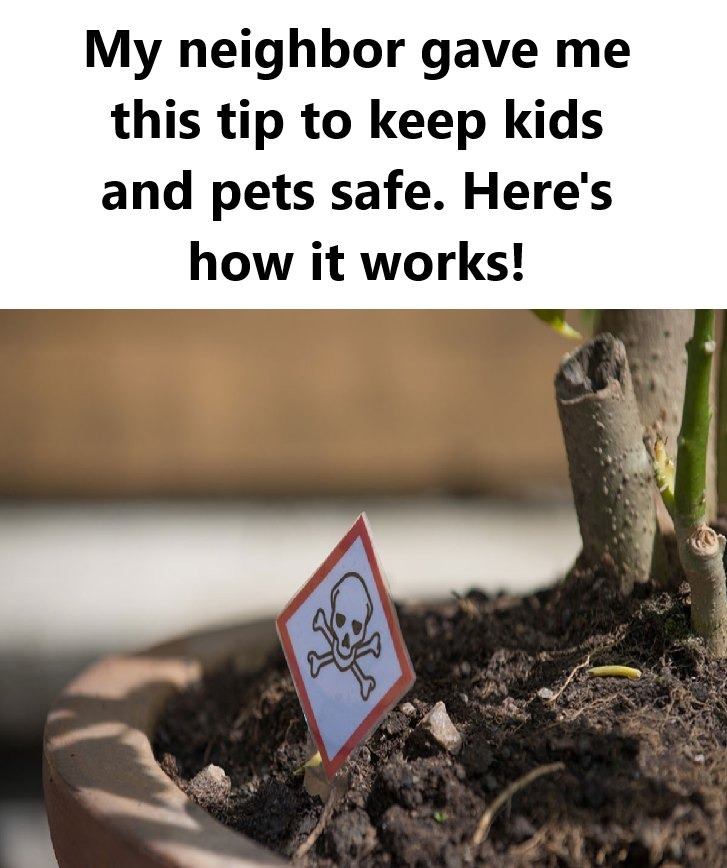
Many garden plants are poisonous to some extent. As long as you do not come into contact with the sap or swallow parts, there is nothing wrong. But if you prune or pick flowers with your bare hands, for example, it is good to know which ones are so poisonous that they can cause very serious health problems. Or worse. We list 10 of the most poisonous garden plants.
1. Blue monkshood (Aconitum)
The plant contains the poisonous substance aconitine in all parts. The poison can even be absorbed through the skin. When swallowing this monkshood, very serious symptoms can occur: vomiting, numbness and tingling in the face, low blood pressure and a slow and irregular heartbeat. This can be fatal.

2. Golden Rain (Laburnum anagyroides)
All parts of the plant are highly poisonous, but the seeds are the most. Swallowing even a few of them can be fatal.

3. Autumn styleless (Colchicum autumnale)
Autumn crocus contains the toxin colchicine, which when ingested can cause bloody diarrhea, severe vomiting, abdominal pain, heart failure and respiratory paralysis. Just 3 leaves can be fatal.

4. Holly (Ilex aquifolium)
Both the leaves and the berries of holly are poisonous. A few berries only cause some discomfort. Eating more than 5 berries can cause severe vomiting, diarrhea and sometimes drowsiness.

5. Lily of the Valley (Convallaria majalis)
All parts of Lily of the Valley are poisonous. Ingestion may cause abdominal pain, vomiting, dizziness, heart rhythm disturbances and blurred vision.

6. Oleander (Nerium oleander)
<div><!–nextpage–></div>
6. Oleander (Nerium oleander)
All parts of the Oleander are poisonous and ingestion can be fatal in severe cases. In less severe cases, the plant can cause dizziness, abdominal pain and heart rhythm disturbances.

7. Pepper tree (Daphne)
All parts of the pepper tree contain the toxin mezereine, but the berries and bark contain the most. Swallowing a few berries can cause a burning sensation in the mouth, dizziness, long-term gastrointestinal disorders, drowsiness or even excitement. Contact with the dust particles from the bark can lead to watery eyes and inflamed nasal mucous membranes.

8. Yew (Taxus baccata)
Yew contains the substance baccatine, which is used as a raw material for medicines against cancer . Its other side is that it is quite poisonous and then all parts. Except the red shell of the seeds. After ingestion, an accelerated heartbeat and convulsions occur. In severe cases, the liver and kidneys are damaged, the central nervous system blocks and a person can get a heart or respiratory arrest.

9. Foxglove (Digitalis)
Every part of Foxglove contains the toxins digitoxin and digitalin . So-called cardiac glycosides. A high dose ingestion leads to vomiting, abdominal pain, hallucinations, delirium, a slow heart rate, tremor and in severe cases a fatal disturbance of the heart. The effect can also occur to a lesser extent when touched.

10. Wonder tree (Ricinus communis)
All parts, but especially the seeds are poisonous and contain the substance ricin. Ingestion can cause vomiting. More worrying is when the toxin enters the bloodstream. It can then cause organ failure and eventually death.

Precautions for poisonous plants in the garden
You may wonder why the above plants are sold if they are so poisonous. However, with some precautions, you can leave them in your garden. Teach yourself to wear gardening gloves as much as possible when working in the garden. Do not touch your face and wash your hands thoroughly afterwards. Warn children from an early age that they should not pick the plants and never eat berries or other parts of the plant. And make sure that pets cannot come near such plants.