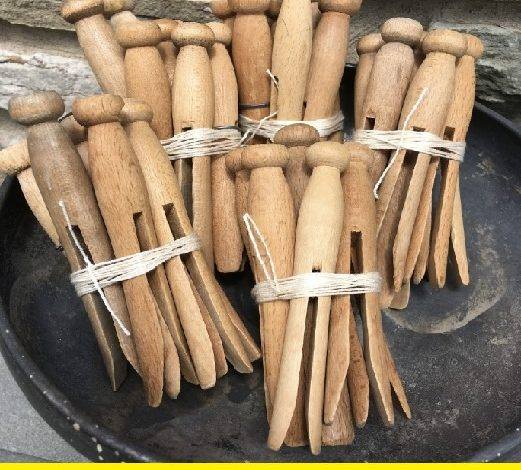
It’s a common and often delightful experience: “I Found These At My Grandma’s House And Have No Idea What They Are.” This simple statement often marks the beginning of an intriguing journey into the past, sparked by the discovery of an unfamiliar object tucked away in an attic, nestled in a basement, or hidden within the depths of old drawers. Perhaps the item resembles an antiquated tool, a uniquely styled piece of vintage décor, or something so unusual it seems to belong to another era entirely. This moment of discovery can fill you with a powerful sense of curiosity and a compelling urge to unravel the mystery before you. Rest assured, there’s a systematic approach you can take to identify and understand these enigmatic finds, transforming them from unknown curiosities into potentially meaningful pieces of the past.
This article will guide you through a comprehensive, step-by-step process designed to help you solve the puzzle of those unidentified objects you might unearth in your grandma’s home. By following these steps, you may not only be able to determine the object’s identity but also potentially unlock a fascinating chapter of history connected to it.
Step 1: Conduct a Thorough Examination of the Object
Before you jump to any conclusions or make assumptions, it’s crucial to take a meticulous look at the item in question. Pay close attention to several key characteristics:
Size and Shape: Begin by noting the dimensions and overall form of the object. Is it diminutive, like a piece of delicate jewelry, or substantial, such as a piece of furniture? Understanding its size and shape can provide initial clues about its potential use.
Material Composition: Carefully observe the materials from which the object is made. Is it crafted from wood, various types of metal (like iron, brass, or copper), glass, ceramic, or perhaps even early forms of plastic? Keep in mind that older items often feature heavier metals, brass components, or natural materials like wood and bone.
Presence of Moving Parts: Check if the object has any movable elements such as hinges, screws, gears, levers, or winding mechanisms. The presence of such parts often indicates that the item was a mechanical tool, a functional device, or perhaps even a toy.
Engravings or Markings: Scrutinize the surface of the object for any stamps, serial numbers, maker’s marks, logos, inscriptions, or words. These markings can be incredibly valuable in tracing the object’s origin, manufacturer, or intended purpose. Don’t hesitate to use a magnifying glass to carefully examine any small or faint engravings that might hold a crucial piece of the identification puzzle.
Step 2: Capture Images and Initiate an Online Search
see continuation on next page
Verpassen Sie nicht die Fortsetzung auf der nächsten Seite
<div><!–nextpage–></div
Google Lens: This powerful tool, integrated into the Google search app and Chrome browser, allows you to upload your image and leverage Google’s vast image database to find potential matches.
TinEye: Another reputable reverse image search engine that specializes in finding where an image has appeared online.
eBay & Etsy: These online marketplaces for buying and selling vintage and antique items can be surprisingly helpful. Searching for items that share visual similarities with your mystery object might yield valuable clues about its identity and potential value.
Given the extensive documentation of antiques and collectibles available online, you might be fortunate enough to find a direct match or a very similar item relatively quickly.
Step 3: Seek Insights from Family and Experts
If your online searches don’t immediately provide a definitive answer, it’s time to broaden your search by tapping into human knowledge:
Family Members: Reach out to older relatives, particularly those who might have memories of your grandma using or owning the item. They may recognize it instantly and provide valuable context about its history and how it was used within the family.
Local Antique Shops: Visit reputable antique shops in your area. The experts who work there have a wealth of knowledge about vintage and antique items and may be able to identify your object or point you in the right direction for further research.
Facebook Groups & Online Forums: Online communities dedicated to identifying unknown objects can be incredibly helpful. Platforms like the “What Is This Thing?” subreddit are filled with enthusiastic individuals who enjoy the challenge of solving such mysteries and may be able to provide quick and accurate identifications. Many collectors and history buffs frequent these spaces and possess specialized knowledge.
Step 4: Consider the Historical Time Period
If your grandma owned the item for a significant period, it likely originates from a specific historical era. Understanding the general style and materials of the object can help you narrow down this timeframe:
Victorian Era (roughly 1837-1901): Items from this period often feature ornate designs, heavy metals like cast iron, and intricate craftsmanship.
Mid-Century Modern (roughly 1940s-1960s): This era is characterized by sleek, functional designs, the introduction of new materials like plastic and Formica, and a general “space-age” aesthetic.
Retro (roughly 1970s-1990s): Items from this more recent period often feature bright colors, bold modernist shapes, and were frequently mass-produced.
Identifying the likely time period of the object’s origin can significantly help in understanding its potential purpose and context.
Step 5: Investigate Its Potential Function
Once you have a preliminary idea of what the object might be, delve deeper into researching how similar items were used. Certain categories of objects frequently found in older homes can be particularly perplexing:
Old Kitchen Gadgets: These can range from unusual utensils and hand-cranked mixers to specialized items like butter molds or early coffee grinders.
Vintage Beauty Tools: You might encounter antique curling irons heated by fire, early hair crimpers, or straight razors with intricate handles.
Antique Tools: These could include hand drills, specialized nutcrackers, or tools designed for specific agricultural tasks.
Medical Instruments: Occasionally, you might find strange-looking syringes, early glass thermometers, or even rudimentary surgical tools.
Searching for old advertisements, instructional manuals, or historical accounts related to similar items can provide valuable insights into their intended function