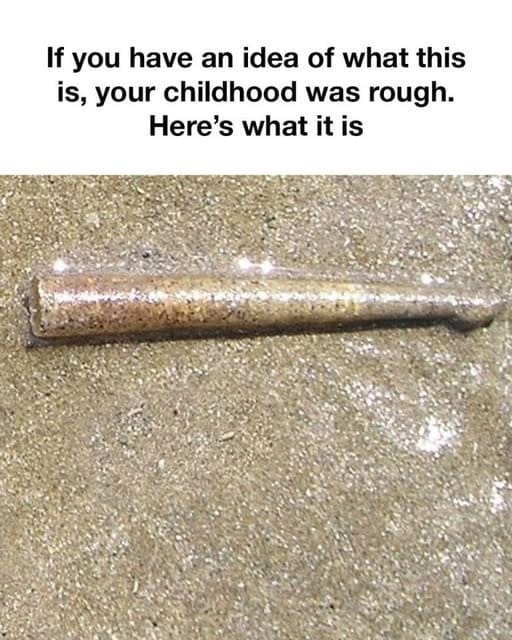
In the tapestry of childhood memories, certain objects stand out not for their charm or nostalgia, but for the peculiar sense of unease they evoke. For many, encounters with trumpet worm nests are among these unforgettable experiences. Whether discovered along a sun-drenched beach or in a muddy riverbank, these mysterious tubular structures have the power to spark both curiosity and dread. To truly understand why these nests remain etched in memory, one must examine the biology of trumpet worms, the ecological significance of their constructions, and the subtle ways these structures interact with human perception and memory.
The Origins of Trumpet Worm Nests
Trumpet worm nests are the intricate creations of marine worms belonging to the polychaete family. These worms are distinguished by their segmented bodies and bristly appendages, which are adapted to a life both buried in sediment and actively interacting with their environment. The nests themselves are tubular structures, often constructed from sand, shell fragments, organic detritus, and tiny pebbles. In essence, each nest is a testament to the worm’s resourcefulness, demonstrating remarkable engineering skills at a microscopic scale.
The primary function of these nests is dual: they serve as both shelter and protective barrier. Predators ranging from crabs to small fish find it difficult to penetrate these dense, tubular fortresses. Additionally, the nests buffer the worms from extreme environmental fluctuations such as changes in tidal flow, temperature, and salinity. In constructing these nests, trumpet worms exhibit a behavior that blends instinct with environmental adaptation, resulting in structures that are both functional and, to the human observer, strangely beautiful.
The construction process is methodical. The worm collects particulate matter from its surroundings and meticulously glues it together using secretions from its body. Over time, the tubular nest grows longer and more robust, sometimes reaching several inches in length. In some coastal regions, multiple trumpet worm nests are found clustered together, forming a microhabitat for other small organisms. This intricate interaction between species highlights the broader ecological significance of these seemingly minor structures.
Childhood Encounters: Why Trumpet Worm Nests Resonate
For those whose early years were spent near the coast, encounters with trumpet worm nests were almost inevitable. Beaches, riverbanks, and tidal pools often served as natural playgrounds, inviting exploration and tactile investigation. Children are naturally curious, and the unusual texture and shape of trumpet worm nests often drew hands, eyes, and imaginations.
The presence of these nests in childhood environments can explain why they evoke such strong, sometimes unsettling memories. Unlike seashells or smooth pebbles, trumpet worm nests suggest something alive beneath the surface, something hidden and possibly watching. The curiosity combined with the slight eeriness of the structures created a unique psychological imprint. For some children, discovering a nest was an adventure; for others, it was a source of mild anxiety or fascination.
Moreover, the frequency of these encounters reflects the broader geography of human settlement. Many towns and communities are located near coasts where trumpet worms thrive. This means that countless children worldwide grew up with these structures in their backyards or local beaches, often without understanding what they were observing.
Recognizing Trumpet Worm Nests: A Comprehensive Guide
Identifying trumpet worm nests can transform a casual walk along the shore into a lesson in marine biology. These nests are typically cylindrical, varying in diameter from half an inch to several inches. Their length may range from a few inches to over a foot, depending on the age and size of the worm.
The nests are primarily composed of fine sand, shell fragments, and small organic debris. The texture is rough to the touch, and the coloration can vary widely based on the surrounding environment—light beige sands produce pale nests, while darker, mineral-rich sediments yield deep brown or reddish hues. One of the most distinctive features of these nests is the small opening at one end through which the worm extends its body to feed, interact with water currents, and sense its environment.
Observing the nest for subtle movements can reveal the presence of the worm inside. Tiny filaments may emerge, retract, or quiver in response to stimuli, a behavior that often surprises first-time observers. Recognizing these nests requires patience and careful observation, but the effort offers a rare glimpse into a hidden ecosystem that functions silently beneath our feet.
What to Do When You Spot a Trumpet Worm Nest
Encountering a trumpet worm nest presents a unique opportunity to engage with nature responsibly. First, it is essential to avoid disturbing the nest. Trumpet worms are sensitive to vibration and handling, and unnecessary interference can damage their delicate homes. Observing quietly from a short distance allows for a clear view without disrupting the worm’s life.
Photographing the nest or sketching it can provide a lasting record of your encounter, enabling further study or personal reflection. For those interested in marine biology, documenting the environmental conditions around the nest—such as soil composition, moisture level, and proximity to water—can contribute valuable data on habitat preference and nest density.
In some educational or recreational settings, controlled observation with minimal interference can foster learning about invertebrate behavior, sediment ecology, and coastal biodiversity. Importantly, these nests serve as reminders of the complex interdependence between organisms and their environment, emphasizing that even small creatures like trumpet worms play a role in larger ecological systems.
The Ecological Significance of Trumpet Worm Nests
While the nests of trumpet worms may seem like minor components of the coastal ecosystem, their ecological importance cannot be overstated. These structures contribute to sediment stabilization, reducing erosion in tidal and sandy environments. By binding loose particles together, trumpet worm nests act as natural anchors, preventing sediment displacement during tides and storms.
Additionally, the nests create microhabitats for other small organisms. Tiny crustaceans, juvenile fish, and microorganisms often find shelter within or around trumpet worm tubes, forming a localized food web. The presence of these nests can therefore increase biodiversity in an area, supporting a range of species that rely on these habitats for survival.
Trumpet worms themselves are integral to nutrient cycling. Their burrowing and feeding behavior aerates the sediment, enhancing the decomposition of organic matter and facilitating nutrient availability for plants and other organisms. The nests, as extensions of this activity, amplify these effects, highlighting how a seemingly insignificant structure can have outsized ecological consequences.
Psychological and Cultural Dimensions of Trumpet Worm Nests
The peculiar allure of trumpet worm nests extends beyond biology into psychology and culture. For many, these structures evoke feelings of awe and slight unease. This emotional response can be traced to the uncanny nature of the nests—they are artificial-looking constructions created by a living organism, existing in a liminal space between organic life and architectural form.
In childhood memory, trumpet worm nests often become symbols of the unknown or the mysterious aspects of nature. The combination of curiosity, tactile interaction, and slight apprehension can create a lifelong fascination. Some people grow up to study marine biology, ecology, o
r environmental science, driven by early experiences with these enigmatic structures.
Verpassen Sie nicht die Fortsetzung auf der nächsten Seite
<div><!–nextpage–></div>
Culturally, trumpet worm nests have inspired art, storytelling, and local folklore. Coastal communities often weave tales around the creatures that create these nests, attributing magical or mystical qualities to their construction. While these stories are anecdotal, they underscore the deep connection humans have with natural patterns and structures that provoke wonder or intrigue.
Variations Across Environments
Trumpet worm nests are not uniform; they exhibit remarkable variability depending on local conditions. In sandy beaches, the nests tend to be lighter, composed primarily of fine grains and occasional shell fragments. In muddy estuaries, nests may incorporate clay and organic detritus, giving them a darker, more compact appearance.
The size of the nest can also reflect environmental factors. In nutrient-rich areas with abundant food, nests may grow larger and more elaborate, whereas in harsher, resource-limited conditions, the structures may remain small and minimalistic. Seasonal changes also influence nest construction, as variations in tidal cycles, temperature, and sediment composition can alter how worms build and maintain their homes.
These variations make each nest a unique record of environmental conditions, much like tree rings record the history of a tree. For researchers, the study of nest morphology can yield insights into local ecology, climate patterns, and the adaptive strategies of polychaetes.
Interactions with Other Species
Trumpet worm nests play a subtle but crucial role in coastal ecosystems. The structures provide shelter for numerous small creatures, including amphipods, tiny mollusks, and juvenile crustaceans. In turn, these smaller organisms may attract larger predators, creating a micro-ecosystem centered on the nest.
Additionally, some bird species have been observed feeding around trumpet worm nests, exploiting the concentration of small prey attracted to these habitats. This interconnection highlights the intricate web of ecological relationships in which even a single worm nest can be embedded, reinforcing the principle that no species exists in isolation.
The Science of Burrowing and Tube Construction
The mechanics of trumpet worm nest construction are remarkable in their precision. Polychaetes employ specialized parapodia—small bristly appendages—to manipulate sediment and organic particles. Secretions from the worm’s epidermal glands act as a natural adhesive, binding sand grains and shells together. This combination of mechanical skill and biochemical glue allows the worm to construct robust, long-lasting tubes in a dynamic environment subject to tides and currents.
The burrowing behavior of trumpet worms also has hydrodynamic consequences. By displacing sediment, these worms influence water flow, sediment deposition, and nutrient distribution. In essence, trumpet worms engineer their environment on a micro-scale, shaping the physical and chemical properties of the sediment around them.
Why Trumpet Worm Nests Capture the Human Imagination
There is something inherently captivating about trumpet worm nests. Their combination of symmetry, texture, and functionality resonates with the human appreciation for patterns and design. At the same time, their hidden inhabitants provoke a mixture of curiosity and caution—a reminder that life often exists just beneath the surface of what we see.
For many, the discovery of a trumpet worm nest is akin to finding a secret doorway into a miniature world. It embodies the thrill of discovery, the intrigue of the unknown, and the satisfaction of understanding a small piece of the natural world. These emotional and cognitive responses explain why trumpet worm nests remain memorable long after childhood, often resurfacing in nostalgic recollections or as inspiration for scientific inquiry.
Practical Tips for Observing Trumpet Worm Nests
For those interested in studying trumpet worm nests, several best practices can enhance observation while minimizing impact:
Use Non-Invasive Methods: Observe nests from a slight distance to avoid disturbing the worm.
Document Carefully: Take photographs, sketch diagrams, and record environmental conditions.
Avoid Removal: Removing the nest can harm the worm and disrupt the surrounding ecosystem.
Study Patterns: Note cluster density, size variation, and sediment composition for comparative analysis.
Engage Mindfully: Encourage curiosity and reflection rather than interference, allowing for a deeper appreciation of ecological intricacies.
Conclusion: More Than Just a Childhood Memory
Trumpet worm nests are more than an oddity of coastal life. They are miniature ecosystems, engineering marvels, and profound symbols of the hidden complexity of nature. Encountering them in childhood often leaves a lasting impression—a mixture of wonder, unease, and fascination that can spark a lifelong interest in the natural world.
From their meticulous construction to their ecological role and psychological impact, trumpet worm nests exemplify the extraordinary ingenuity of even the smallest creatures. They remind us that nature’s complexity exists in every grain of sand, every burrow, and every unassuming structure we might otherwise overlook. In this light, the nests are not merely objects of curiosity but windows into the resilience, creativity, and interconnectedness of life on Earth.
Whether you stumbled upon a nest as a child and shivered at its oddity or discovered it as an adult and marveled at its precision, the trumpet worm nest continues to evoke a sense of wonder. It challenges us to look closer, think deeper, and appreciate the extraordinary engineering and ecological sophistication hidden in plain sight.