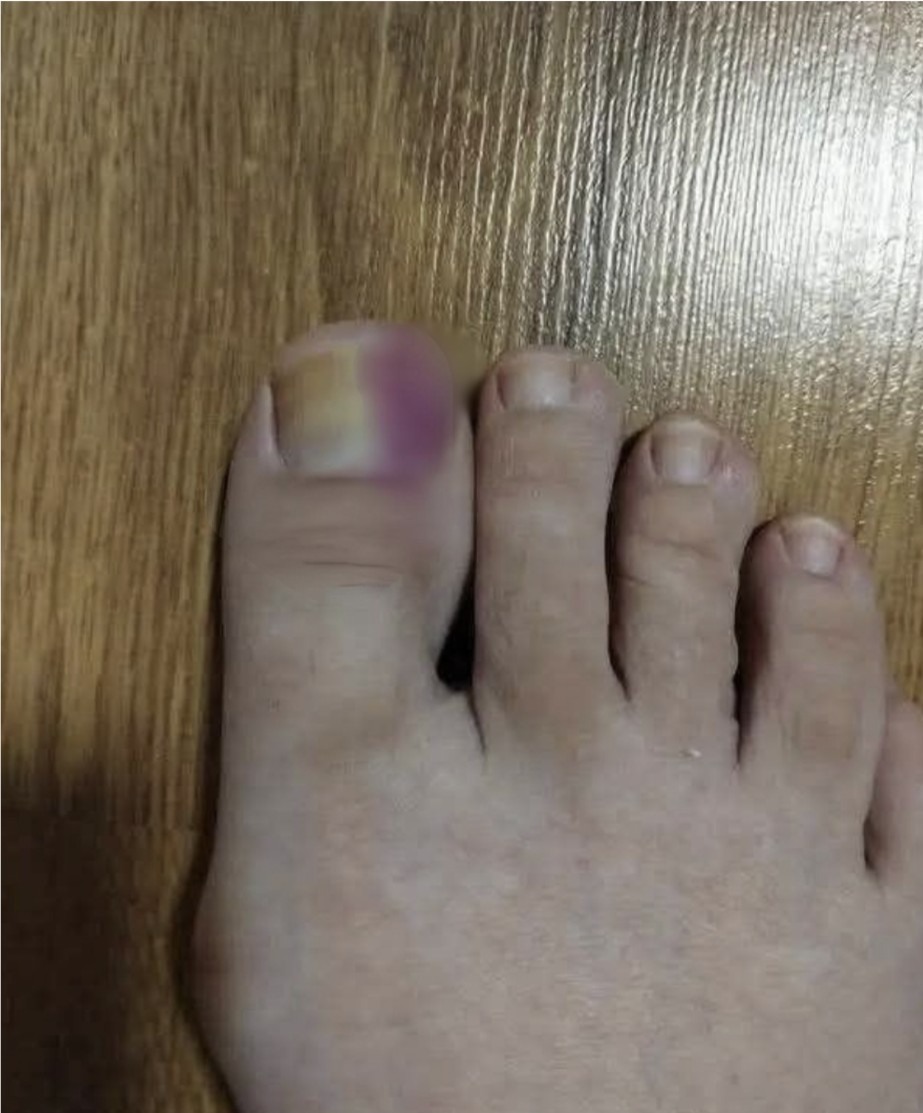
That sharp, throbbing pain under your toenail?
Redness, swelling, or maybe even pus?
You may be suffering from an ingrown toenail , a common but often painful condition in which the edge of the nail grows into the surrounding skin.
Mild cases can be treated at home, but it is important to act early – before infection occurs.
The good news?
A visit to the doctor isn’t always necessary.
With simple baths, proper care, and natural methods , you can often relieve pain and speed healing —right from the bathroom.
Let’s take a look at safe and effective ways to treat an ingrown toenail at home —and when you should seek help from a specialist.
🤕 What is an ingrown toenail?
An ingrown toenail (onychocryptosis) occurs when the corner or side of a toenail—usually the big toe— digs into the surrounding soft skin.
This causes:
- Pain and tenderness
- Redness and swelling
- Warmth in the fingers
- In more advanced cases: infection, pus or bleeding
🔍 Common triggers:
- Cutting nails too short or rounded
- Tight shoes or socks
- Uraz palca u nogi
- Fungal nail infections
- Genetics (curved or wide nails)
✅ Home treatment in the early stages (before infection)
If the condition is caught early— without pus and spreading redness —try these home remedies to reduce pain and help the nail grow properly.
1. 🛁 Soak in warm soapy water (3-4 times a day)
- Fill a bowl with warm water and mild soap (or Epsom salts)
- Soak your foot for 15–20 minutes
- Gently massage the skin around the nail to relieve pressure.
✅ Helps soften skin and reduce inflammation.
2. 📌 Gently lift the nail (if possible)
- Once soaked, gently lift the edge of the nail with clean tweezers or an orange wood stick.
- Slide a small piece of cotton wool, dental floss, or gauze under the nail to help it grow into the skin.
- Change daily
🔁 This creates space and redirects growth – but stop if it causes pain to increase.
3. 🍃 Natural remedies to reduce inflammation
✅ Tea tree oil (antiseptic)
- Mix 1–2 drops with a carrier oil (e.g. coconut oil or olive oil)
- Apply to the area with a cotton pad
- Repeat 1–2 times a day
🌿 Natural antifungal and antibacterial agent – helps prevent infections.
✅ Soaking in apple cider vinegar
- Mix 1 part apple cider vinegar with 2 parts warm water
- Soak for 15 minutes a day
- Then dry thoroughly
🍎 May help balance skin pH and reduce bacteria.
✅ Turmeric paste (anti-inflammatory effect)
- Mix 1 teaspoon of turmeric powder with water to form a paste
- Apply to the toe and cover with a bandage.
- Leave on for 20–30 minutes, then rinse.
🧪 The curcumin contained in turmeric relieves swelling and pain.
4. 🩹 Keep the area clean and secure
- Dry your foot thoroughly after soaking.
- Apply an over-the-counter antibiotic ointment (e.g., Neosporin)
- Cover with a bandage or finger protector
- Wear open-toed or wide-toed shoes to reduce pressure
✅ Prevents irritation and promotes healing.
❌ What NOT to do
🚫 Don’t cut your nail too deep or “rip it out” – this can make the ingrown toenail worse
🚫 Don’t use sharp tools – risk of infection
🚫 Don’t ignore the symptoms of infection – if it gets worse, consult a doctor
🚫 Don’t walk barefoot in public places – risk of bacteria or fungi
🚨 When to see a doctor
Home care works well for mild cases, but in some situations professional treatment is necessary .
Seek medical attention if you have:
- Pus or discharge
- Increasing redness or swelling
- Fever or chills (signs of systemic infection)
- Diabetes, poor circulation, or nerve damage
- No improvement after 2–3 days of home treatment
🩺 People with diabetes should never self-medicate – even minor foot problems can lead to serious complications.
🏥 What can a doctor do?
- Prescribe antibiotics (if infection is present)
- Partial nail removal under local anesthesia
- Treatment of the nail bed to prevent regrowth (matricectomy)
- Recommending proper nail trimming techniques and appropriate footwear
✅ Minor treatments are quick and very effective.
✅ Prevention tips (to prevent relapse)
👟 Athletes, dancers and runners should pay special attention to foot care.
Final thoughts
An ingrown toenail doesn’t have to require a trip to the clinic, especially if caught early.
With warm baths, gentle lifting, and natural anti-inflammatories, most mild cases can be treated at home.
But remember:
Home care is only appropriate for the early stages.
Infection? Diabetes? No improvement? Consult a doctor.
Because your feet carry you through life – and they deserve gentle, yet intelligent care.
So take care of that toe now.
Wear loose-fitting shoes.