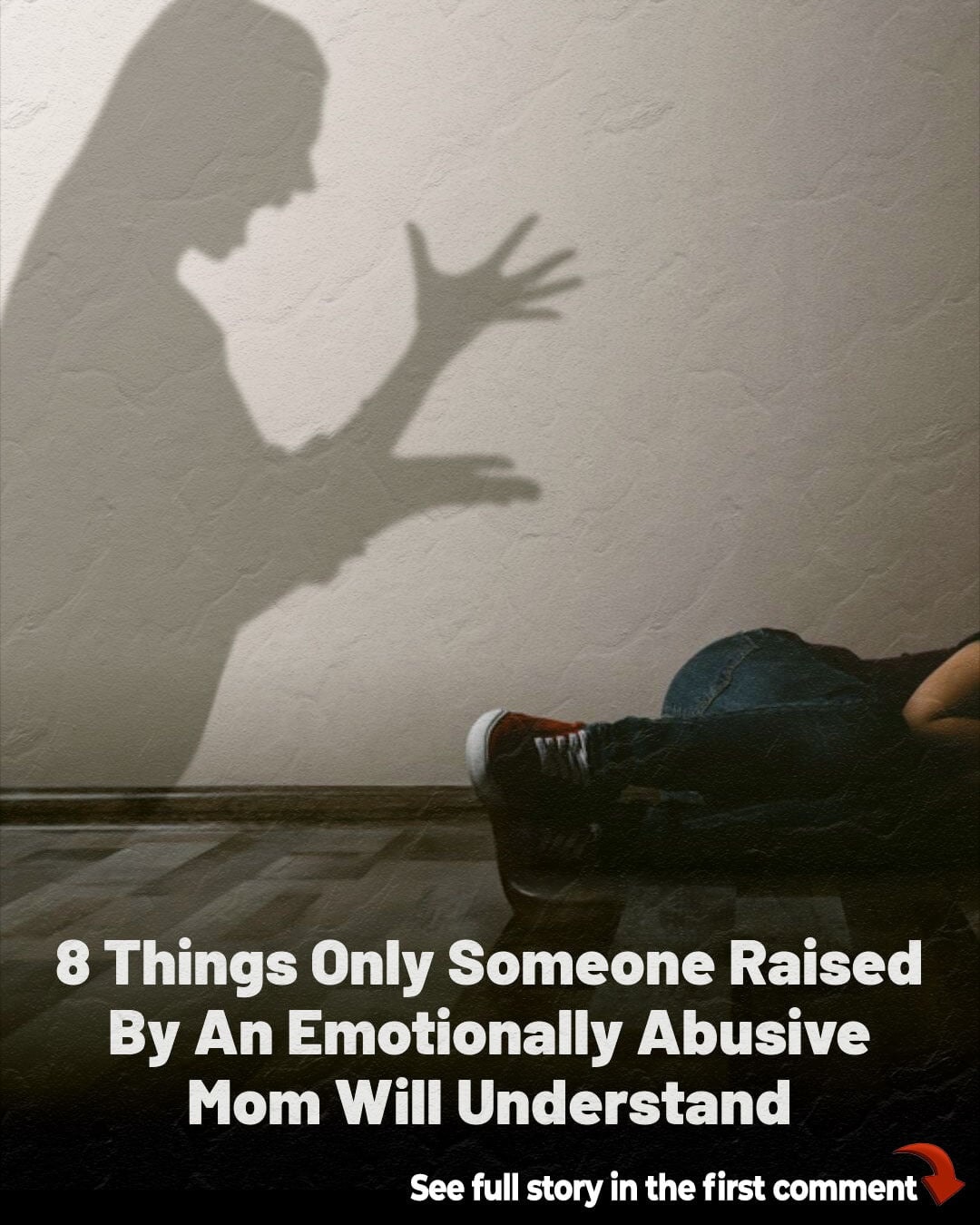
Growing up with a nurturing parent helps children feel safe, valued, and confident. But for some, childhood is marked by emotional abuse, which is often harder to identify than physical harm. Someone raised by an emotionally abusive mom may carry wounds that are invisible to others but deeply felt within. Emotional abuse can appear as criticism, manipulation, or withdrawal of affection, and its effects often last long into adulthood. Many people only recognize the patterns years later, after struggling with trust, self-esteem, or relationships. Understanding what emotional abuse looks like, and how it impacts development, is an important step toward healing.
What Is Emotional Abuse?

Emotional abuse, like constant negative criticism, can quietly shape a child’s development, affecting brain chemistry, stress responses, and self-esteem. Research shows chronic exposure can increase anxiety, depression, and relationship difficulties later in life, even without any visible injuries.
Emotional abuse is a pattern of behavior where a parent uses words, actions, or neglect to control, belittle, or manipulate a child. Unlike physical abuse, it does not leave visible marks, which is why it often goes unnoticed. Common forms include constant criticism, humiliation, rejection, gaslighting, and emotional neglect. A child raised in this environment may grow up feeling unworthy or anxious. Emotional abuse can be subtle, such as consistently ignoring a child’s achievements, or overt, like public shaming. Over time, the child internalizes the message that their needs and feelings do not matter.