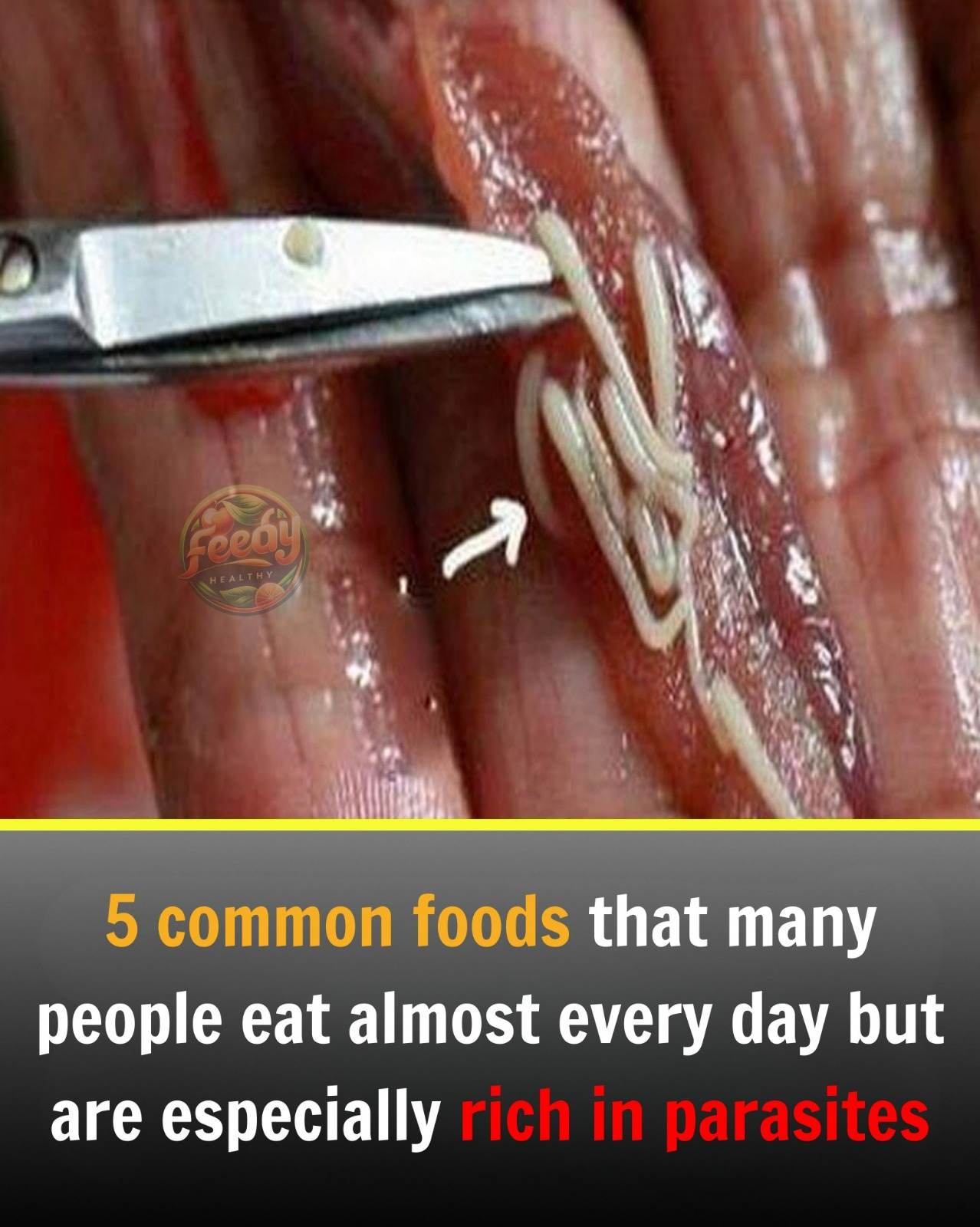
You love fresh salads, juicy berries, and delicious pork dishes — and you should.
But like all foods, some can carry harmful organisms — including parasites — if not handled, washed, or cooked properly.
The good news?
Parasitic infections from food are rare in countries with strong food safety systems — and almost always preventable.
Let’s explore 5 foods that have been linked to parasitic infections in rare cases — and, more importantly, how to enjoy them safely without fear.
🧫 How Food Can Carry Parasites (Rarely)
Parasites like Toxoplasma gondii, Giardia, or tapeworms can contaminate food through:
- Contaminated water or soil
- Poor hygiene during handling
- Undercooking meat
- Cross-contamination in the kitchen
But proper food safety practices — washing, cooking, and storing — break the chain of infection.
✅ 5 Foods That Can Carry Parasites (And How to Stay Safe)
1. Raw or Undercooked Por
- Risk: Can carry Taenia solium (pork tapeworm) or Trichinella
- Symptoms (if infected): Stomach pain, nausea, muscle pain, fatigue
- ✅ How to stay safe:
- Cook pork to 145°F (63°C) with a 3-minute rest
- Avoid raw or rare pork (like undercooked sausages or charcuterie in high-risk areas)
2. Raw or Undercooked Fish (Sushi, Sashimi, Ceviche)
- Risk: Can carry Anisakis (a parasitic worm) or liver flukes
- Common in wild-caught fish not properly frozen
- ✅ How to stay safe:
- Eat sushi from reputable restaurants that follow FDA freezing guidelines
- Freeze fish at -4°F (-20°C) for 7 days to kill parasites
- Avoid raw fish if pregnant or immunocompromised
3. Fresh Produce (Leafy Greens, Berries, Herbs)
- Risk: Can be contaminated with Toxoplasma, Giardia, or Cryptosporidium from soil or water
- Outbreaks linked to lettuce, spinach, and raspberries
- ✅ How to stay safe:
- Wash all produce under running water (even if pre-washed)
- Scrub firm produce like melons or cucumbers
- Store in clean containers
- Keep separate from raw meat
4. Raw or Unpasteurized Milk and Dairy
- Risk: Can carry Cryptosporidium, Giardia, or Toxoplasma
- Raw milk is not safer — it’s a higher-risk product
- ✅ How to stay safe:
- Choose pasteurized milk and cheese
- Avoid raw dairy if pregnant, young, elderly, or immunocompromised
5. Undercooked Game Meat (Venison, Wild Boar, Bear)
- Risk: Higher chance of Trichinella or tapeworms
- Wild animals are more likely to carry parasites
- ✅ How to stay safe:
- Cook game meat to 160°F (71°C)
- Freeze wild meat before cooking (if allowed)
- Practice strict kitchen hygiene
✅ How to Prevent Parasitic Infections (Simple Habits)
🌍 When traveling to areas with poor sanitation, drink bottled water and avoid raw foods.
🚨 When to See a Doctor
See a healthcare provider if you have:
- Diarrhea lasting more than 2–3 days
- Stomach pain, nausea, or vomiting
- Unexplained weight loss
- Fatigue or muscle pain after eating undercooked meat or raw fish
Final Thoughts
You don’t need to fear your food.
Yes, some foods can carry parasites — but the risk is very low if you follow basic food safety practices.
Instead of avoiding nutritious foods, focus on:
- Washing produce
- Cooking meat thoroughly
- Choosing pasteurized dairy
- Practicing good kitchen hygiene
Because true health isn’t about fear.