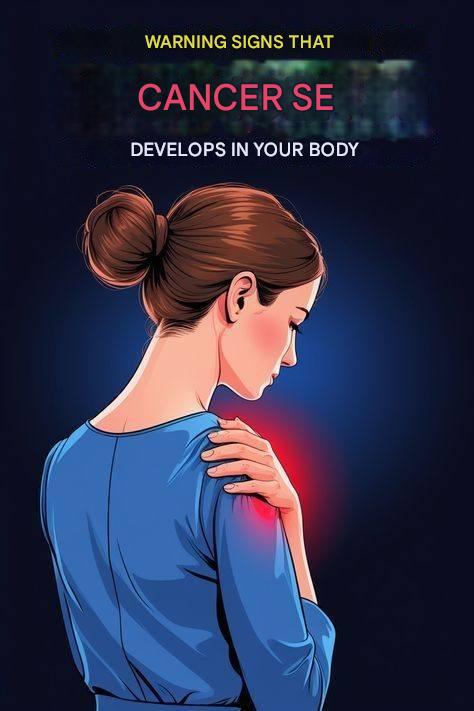
5 Early Signs of Can.cer Growing in the Body
Cancer is a life-threatening disease that often develops silently, with symptoms only appearing at an advanced stage. However, the body can show warning signs that, if recognized early, can lead to early detection and better treatment outcomes. While these symptoms don’t always indicate cancer, persistent and unexplained changes in the body should never be ignored.
Here are five early signs of cancer growth that require medical attention.
1. Unexplained weight loss
Sudden, unintentional weight loss of 5 kg or more without any changes in diet or exercise can be an early sign of cancer. This occurs because cancer cells alter the body’s metabolism, causing the body to burn more energy than usual.
Possible cancers linked to unexplained weight loss:
Stomach, pancreatic, or liver cancer (affecting digestion and metabolism)
Lung or esophageal cancer (interfering with swallowing and appetite)
Blood cancers (leukemia, lymphoma) (affecting metabolism and immune function)
If you experience persistent weight loss without a clear reason, see a doctor for evaluation.
2. Persistent fatigue and weakness
Feeling constantly exhausted even after adequate rest can be a warning sign of cancer. Unlike normal fatigue, cancer-related fatigue is persistent, severe, and does not improve with sleep or rest.
Possible cancers linked to fatigue:
Leukemia and lymphoma (affecting blood cell production and oxygen delivery)
Colon or stomach cancer (causing slow internal bleeding, leading to anemia)
Liver cancer (affecting detoxification and metabolism)
If extreme fatigue is accompanied by pale skin, dizziness, or shortness of breath, seek medical help immediately.
3. Changes in the skin
The skin can reveal warning signs of internal cancer. Any new mole, bump, or skin discoloration that appears or changes over time should be examined.
Possible skin changes to watch for:
Unusual patches that are asymmetrical, have irregular edges, or change color and size (potential signs of melanoma)
Persistent sores that do not heal (may indicate skin cancer)
Yellowing of the skin and eyes (jaundice) (related to liver or pancreatic cancer)
Dark spots or excessive itching (may be related to cancer of internal organs)
A dermatologist or doctor should check any abnormal skin changes, especially if they persist.
4. Persistent pain that does not go away
Chronic pain with no obvious cause may be an early sign of cancer. Cancer pain does not improve with rest or medication and may gradually worsen over time.
Possible cancers linked to persistent pain:
Bone cancer (causing deep bone pain or fractures)
Brain tumors (causing persistent headaches, nausea, and vision problems)
Ovarian or colorectal cancer (causing pelvic or abdominal pain)
Lung cancer (causing chest pain and discomfort)
If pain persists for weeks without improvement or is accompanied by other symptoms, consult a doctor.
5. Unusual lumps or swellings
A new lump, swelling, or thickening of tissue anywhere in the body should never be ignored. Cancerous lumps are often hard, painless, and grow over time.
Possible cancers related to lumps and swellings:
Breast cancer (lump in the breast or armpit)
Testicular cancer (lump in the testicle)
Throat or thyroid cancer (lump in the neck)
Lymphoma (swollen lymph nodes in the armpits, groin, or neck)
Any new or growing lump should be checked by a doctor, especially if it does not go away after a few weeks.
Conclusion
Early detection is essential for effective cancer treatment. If you experience unexplained weight loss, persistent fatigue, skin changes, chronic pain, or unusual lumps, see a doctor as soon as possible. While these symptoms can be caused by non-cancerous conditions, ignoring them could delay early diagnosis. Regular medical checkups, screenings, and a healthy lifestyle can help with early detection and cancer prevention.