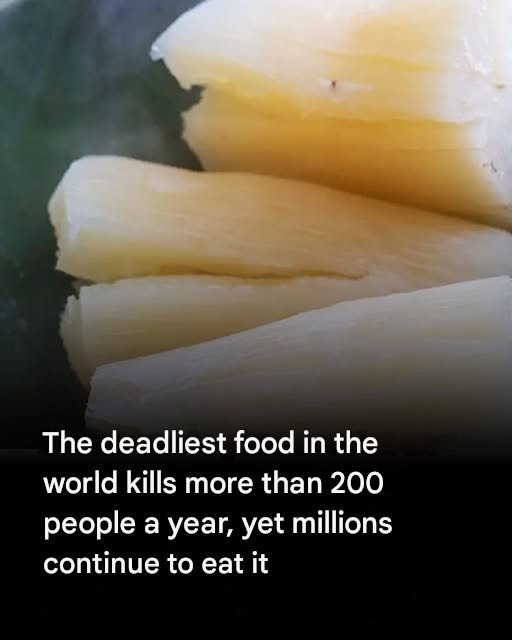
We trust the foods we eat every day. Most of us don’t give a second thought to the ingredients listed on the back of a box or bottle. But what if one of those very common ingredients—one that’s probably in your kitchen right now—has been linked to serious health risks and even fatalities?
According to recent data, an estimated 200 people die each year in the United States due to reactions related to this ingredient. What is it?
Answer: Artificial food dyes.
Specifically, certain synthetic dyes and additives have been linked to life-threatening allergic reactions, behavioral issues in children, and long-term health concerns—and they’re still legal and widely used in many popular food products.
Let’s break down what you need to know.
🎨 The Culprit: Artificial Food Dyes (e.g., Yellow 5, Red 40, Blue 1)
Artificial food colorings are used to make foods appear more vibrant, appealing, or “fun.” But beneath those bright colors lie hidden risks—especially for sensitive individuals.
❗ The most common synthetic dyes include:
Red 40 (Allura Red)
Yellow 5 (Tartrazine)
Yellow 6 (Sunset Yellow)
Blue 1 and Blue 2
These are found in:
Candies
Sodas and sports drinks
Baked goods
Cereals
Ice creams
Even some “healthy” snacks and vitamins
⚠️ The Deadly Risk: Severe Allergic Reactions and Anaphylaxis
For a small but significant percentage of people—particularly children with food sensitivities or existing allergies—these dyes can trigger:
Hives
Asthma attacks
Anaphylaxis (a severe, potentially fatal allergic reaction)
While rare, anaphylaxis can occur within minutes and requires immediate medical attention. The FDA acknowledges these risks, but the ingredients remain legal with only mild warnings.
According to health reports, artificial dyes are suspected contributors in up to 200 deaths annually
—most linked to allergic responses or undiagnosed sensitivities.
🧠 Beyond Death: Behavioral and Neurological Concerns
Research has also connected food dyes—particularly Red 40 and Yellow 5—to hyperactivity, attention issues, and mood swings in children. While results are still debated, enough evidence exists that:
Europe requires warning labels on foods containing these dyes
Some countries have banned certain dyes altogether
Major brands now offer dye-free versions of popular products overseas
So why not in the U.S.?
🛑 What You Can Do to Protect Yourself and Your Family
✅ 1. Read ingredient labels carefully
Watch for any color followed by a number (e.g., “Red 40,” “Yellow 5”).
✅ 2. Choose dye-free or naturally colored products
Look for foods colored with:
Beet juice
Turmeric
Paprika
Spirulina
Annatto
✅ 3. Be cautious with children’s food
Many brightly colored snacks, drinks, and treats are marketed to kids—but may carry the highest risk.
✅ 4. Know the symptoms of an allergic reaction
Seek emergency care if you or someone else experiences:
Swelling of the lips or throat
Trouble breathing
Hives
Dizziness or fainting
✅ 5. Report adverse reactions
If you suspect a reaction, report it to the FDA’s MedWatch program. This helps improve awareness and future regulation.
Final Thoughts
A splash of color might make your food look more exciting—but at what cost?
With as many as 200 preventable deaths each year, it’s time we take a harder look at what’s hiding in plain sight. Artificial food dyes may seem harmless, but for some, they’re a silent danger—one that can turn a snack into a life-threatening event.
Your best defense? Knowledge and choice. Be informed. Read labels. And when in doubt, go natural.